You can’t see, taste or smell it. The only way to detect the presence of Carbon Monoxide is to install a carbon monoxide alarm.
CO is produced when fuels — such as propane, gasoline, natural gas, heating oil or wood — do not burn completely in fuel-burning appliances and devices, such as:
- furnaces
- gas or wood fireplaces
- hot water heaters
- stoves
- barbeques
- portable fuel-burning heaters
- generators
- vehicles
Exposure to CO can cause:
- headaches
- nausea
- dizziness
- confusion
- drowsiness
- loss of consciousness
- death
If your CO alarm sounds, you or other occupants may experience symptoms of CO poisoning. It is critical to get everyone out of the home immediately and call 9-1-1 from outside the building.
When and where to install carbon monoxide alarms
If you live in a house, a CO alarm must be installed if the home:
- has a fuel-burning appliance
- has a fireplace
- has an attached garage
- is heated by air from a fuel-burning appliance that is not contained within your home (in effect on January 1, 2026)
Carbon monoxide (CO) is an invisible, odorless and tasteless poisonous gas. Carbon monoxide alarms are the only way to detect this poisonous gas to help provide an early warning. Follow these tips to keep your family safe:
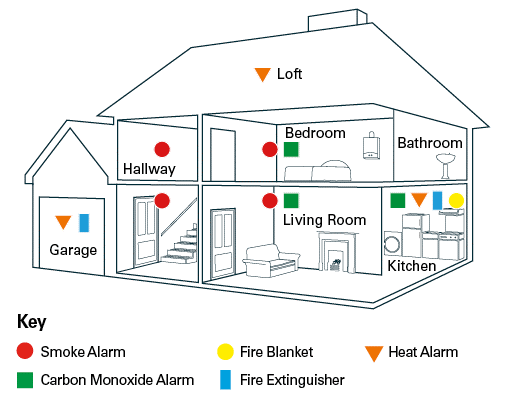
- Install alarms near sleeping areas, on every storey of your home (including storeys that do not have sleeping areas)
- Test alarms at least once a month
- Replace alarms every seven to ten years, depending on the brand
- Have a licensed technician inspect your fuel burning appliances annually (e.g. furnace, fireplace, water heater) to ensure they are in proper working order and vented correctly.