

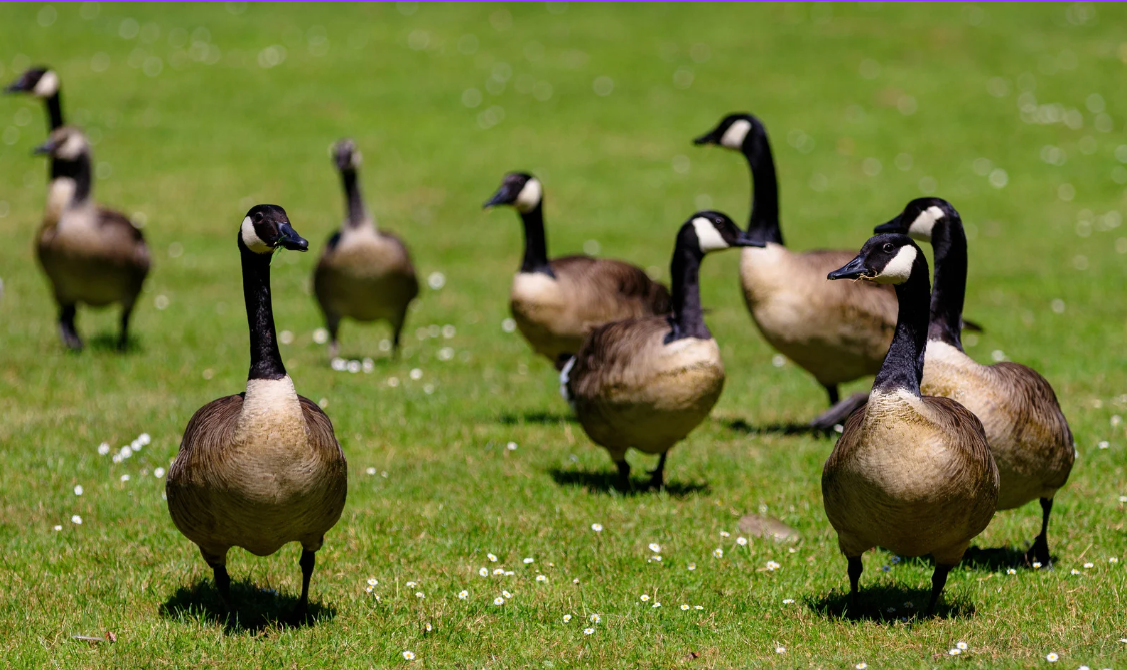
Wildlife experts agree that feeding wildlife does more harm than good. Central Elgin discourages the feeding of wildlife.
When wildlife gain access to human food sources, whether through intentional feeding, unsecured garbage, or pet food left outside, animals are drawn into residential areas and can become dependent on people. Over time, this can lead to overpopulation of wild animals and increased risks for both wildlife and the community. This changes natural animal behaviour and can quickly lead to overpopulation.
Feeding wildlife puts animals and people at risk:
- Increased disease in wildlife populations
- Faster spread of illness among animals
- More aggressive and unpredictable wildlife behaviour
- Increased human-wildlife conflicts
- Property damage and safety concerns in residential areas
- Higher demand for wildlife control services, increasing costs for taxpayers
Animals that become dependent on humans often lose their natural fear of people, putting both residents and wildlife at risk.
How you can help:
- Do not feed wildlife - even a small amount can lead to animals becoming dependent on human food sources
- Secure garbage and recycling bins
- Bring pet food indoors
Wildlife in Central Elgin are well adapted to finding their own food sources in nature. Human food lacks the nutrition they need, can cause serious health problems, and increases the spread of disease among animal populations.
Learn more: Feeding wildlife: dos and don’ts | ontario.ca
Contact Information
 Subscribe to page updates